Do You Need a Dental Crown? Signs Your Tooth May Need Extra Support
A tooth that aches while chewing, cracks when biting, or feels weaker than usual can cause you to worry. Questions start to build: Is my tooth damaged? Will it break further? Is there a way to protect it before things get worse? These concerns are common in everyday dental care. Knowing how dentists evaluate damage and when they recommend dental crowns in Boynton Beach can help you feel more confident about what comes next and how to protect your smile.
Common Signs a Tooth May Need a Dental Crown
A Tooth With a Large Filling
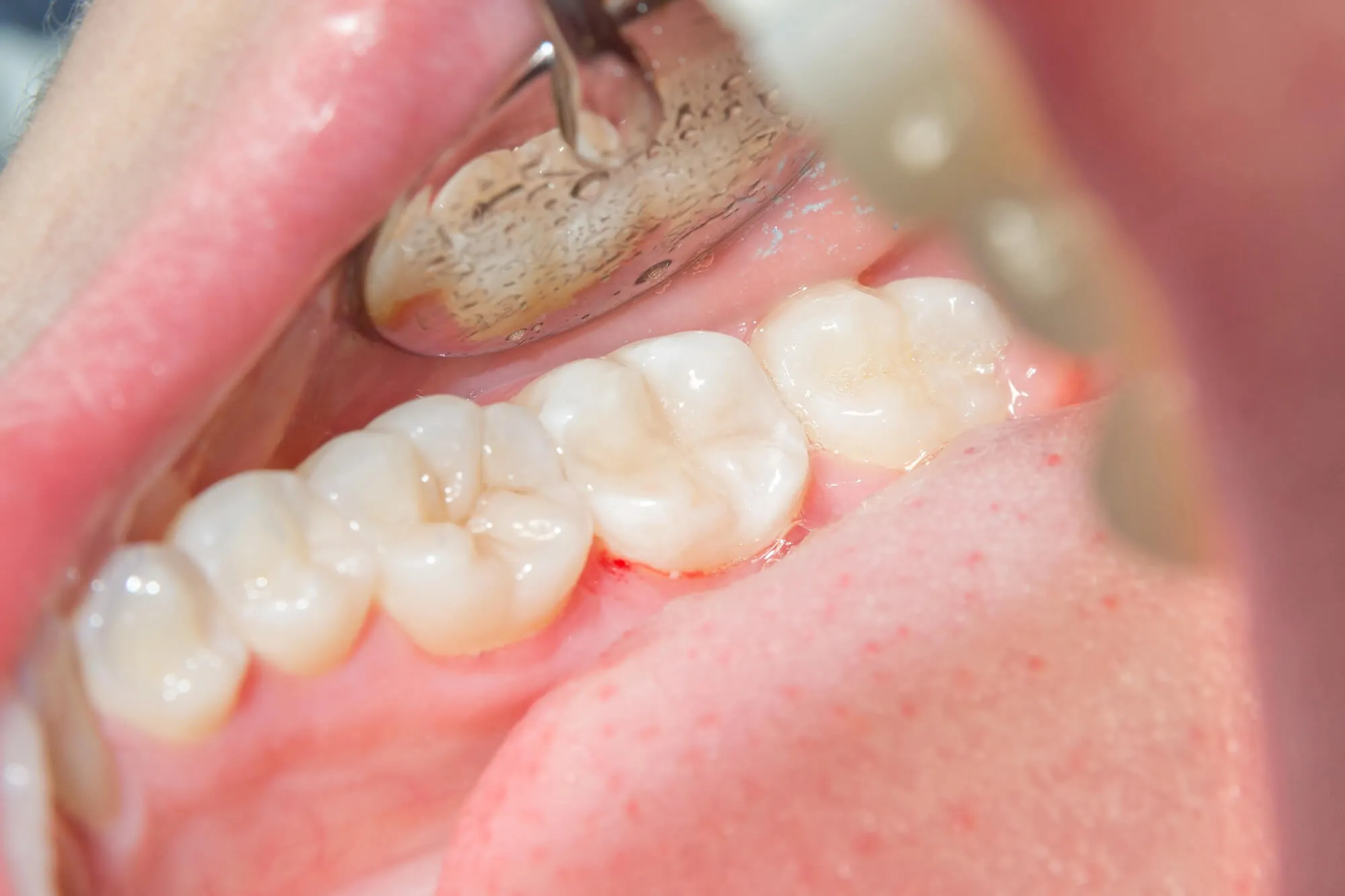
Fillings restore teeth affected by decay, yet a tooth with a very large filling may lose strength over time. The remaining structure can become thin, which increases the chance of cracking during normal chewing. A dental crown covers the entire surface of the tooth and helps reinforce it. Dentists often suggest a crown when a filling takes up most of the tooth, or when repeated fillings have weakened the remaining enamel.
A Cracked or Fractured Tooth
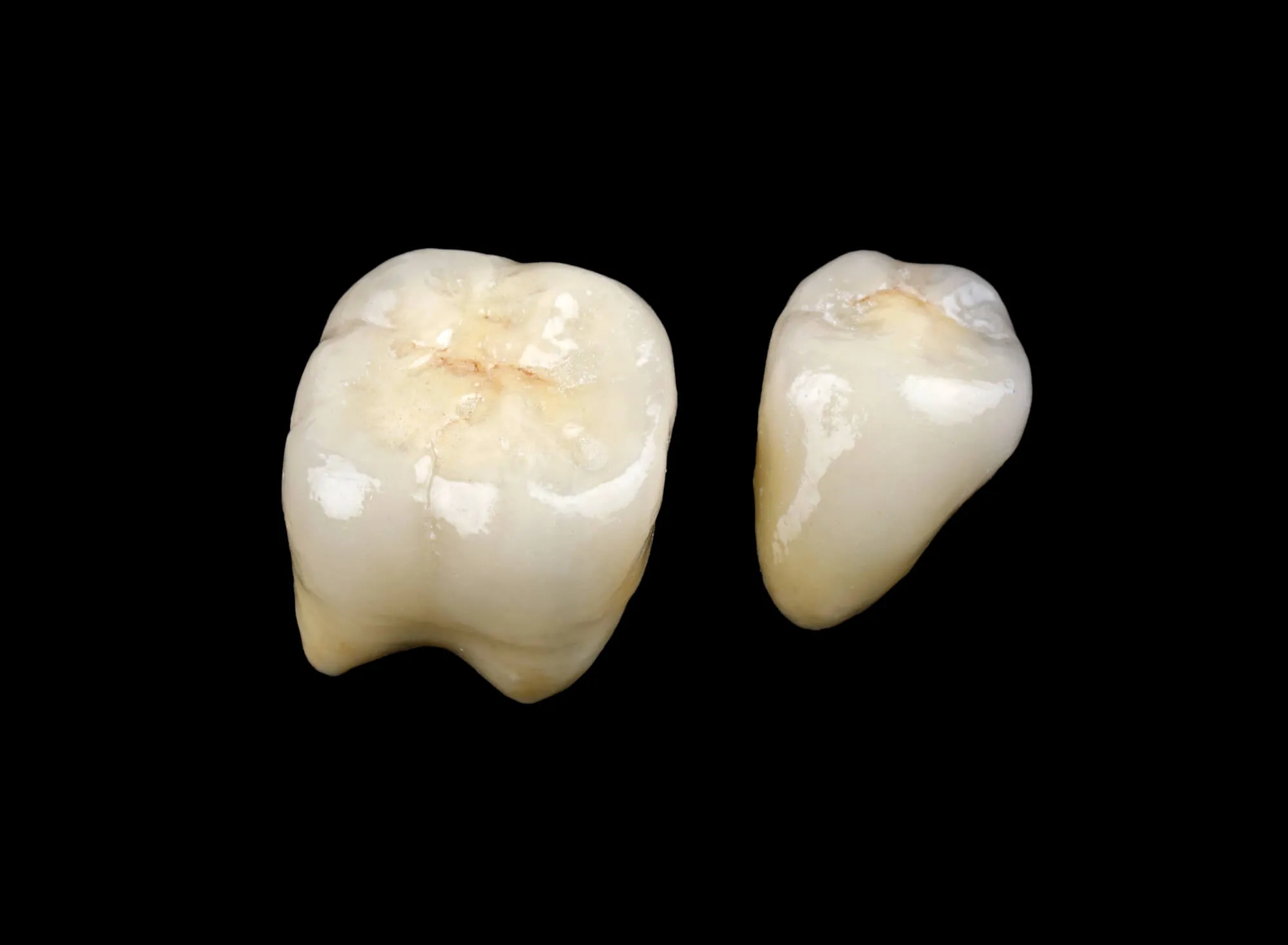
Cracks can develop from biting hard foods, clenching, or injury. Some cracks are difficult to see, yet they may allow bacteria to reach deeper layers of the tooth. A crown holds the tooth together and protects it from pressure. Early care can prevent the crack from spreading, which may help preserve the natural tooth structure and avoid more complex treatment later.
Pain While Chewing
Pain that appears during biting may signal structural damage or infection inside the tooth. After the cause is addressed, a crown can protect the tooth and restore comfortable function. Teeth that have undergone root canal therapy are more fragile, so placing a crown afterward helps reduce the risk of fracture and supports long-term strength.
Severe Tooth Wear
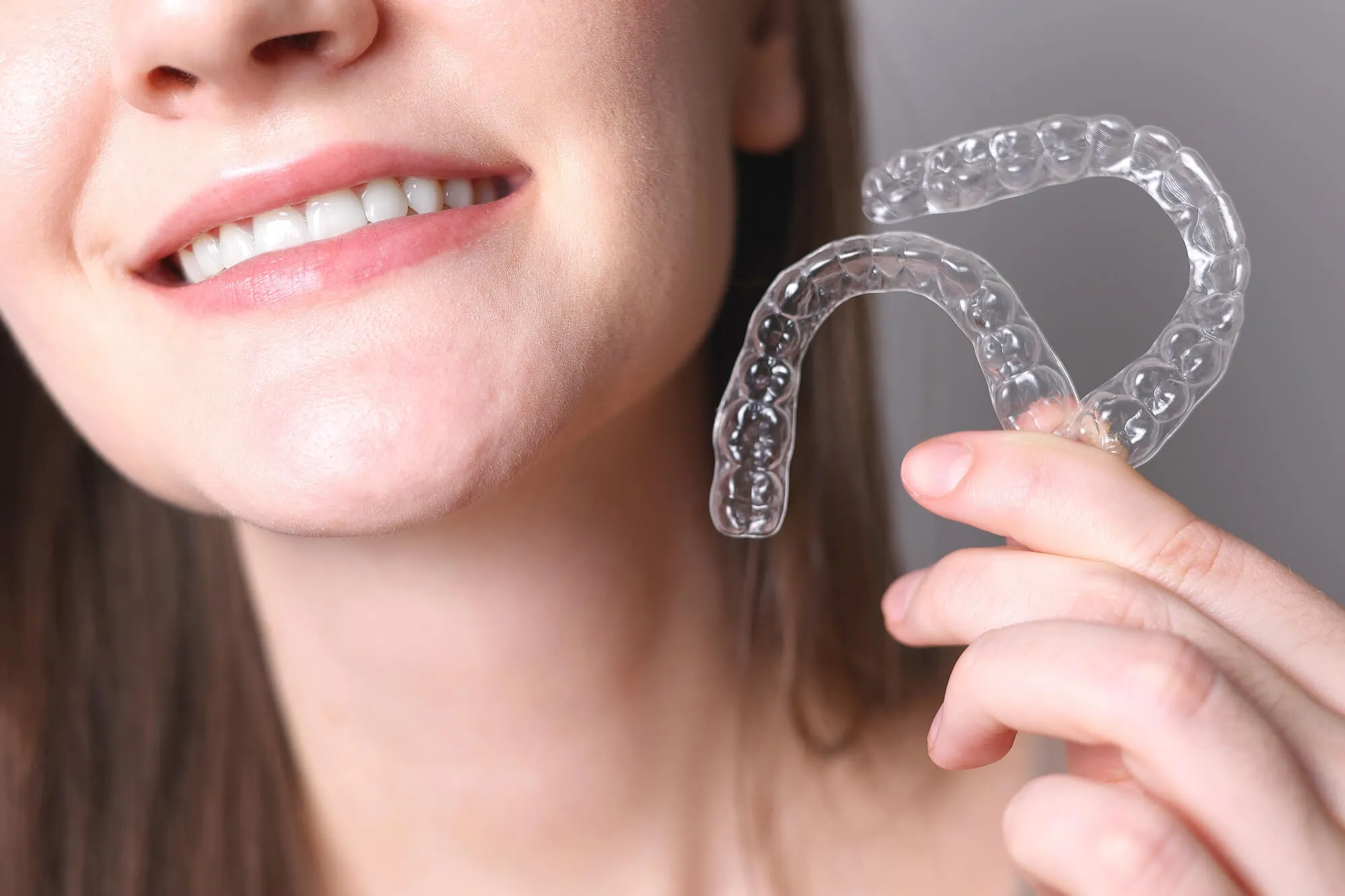
Grinding or clenching can wear teeth down gradually. As enamel thins, sensitivity and uneven chewing surfaces can develop. Crowns rebuild the tooth’s shape and height, improving bite balance and protecting weakened areas. Dentists may also discuss ways to reduce grinding, such as custom night guards, to help protect both natural teeth and restorations.
A Broken or Chipped Tooth
Accidents during sports or daily activities can chip or break a tooth. Small chips may be repaired with bonding, yet larger fractures often require crowns to provide stability. A crown protects the tooth from further damage while restoring its natural appearance and function. Addressing breaks early helps maintain comfort and chewing ability.
After Root Canal Treatment
Root canal therapy removes infection inside a tooth, leaving the structure more delicate. A crown placed afterward protects the tooth from cracking under pressure. This step is common in restorative care because it helps maintain strength and prevents future complications.
Missing Tooth Replacement With Implants
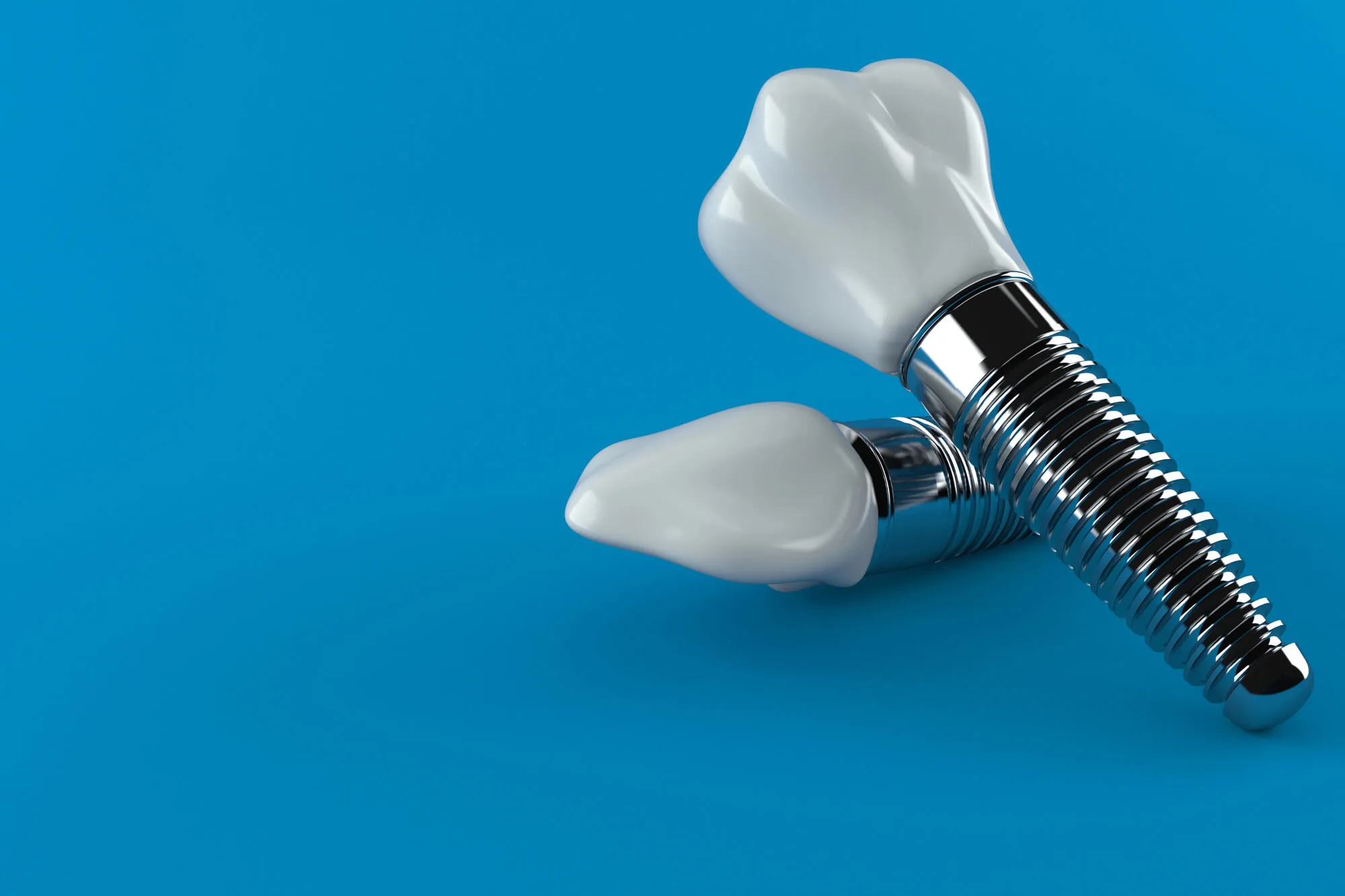
Dental implants replace missing teeth by placing a small titanium post into the jawbone. A custom crown is attached on top to restore appearance and function. The crown portion looks like a natural tooth and allows comfortable chewing. This combination offers stability while supporting surrounding teeth and jawbone health.
Cosmetic Concerns With Structurally Weak Teeth
Some teeth are misshapen, worn, or discolored and also structurally compromised. In these situations, a dental crown can restore strength while improving shape and color. Crowns are often recommended when enamel is thin, fractures are present, or previous dental work has weakened the tooth.
Dentists carefully evaluate the health of the tooth, surrounding gum tissue, and bite alignment before suggesting this option, so the restoration supports comfort, function, and a balanced smile that fits naturally with nearby teeth.
How Dentists Decide If a Crown Is Needed
Dentists consider several factors before recommending a crown. They evaluate how much healthy tooth remains, how strong the tooth is under chewing pressure, and where the tooth sits in the bite. Previous dental work and gum health are also reviewed. Digital imaging and examinations help guide this decision.
The goal is always to preserve natural tooth structure whenever possible. Crowns are recommended only when a tooth needs full-surface protection to stay stable and comfortable.

What Happens During a Dental Crown Procedure
Tooth Preparation
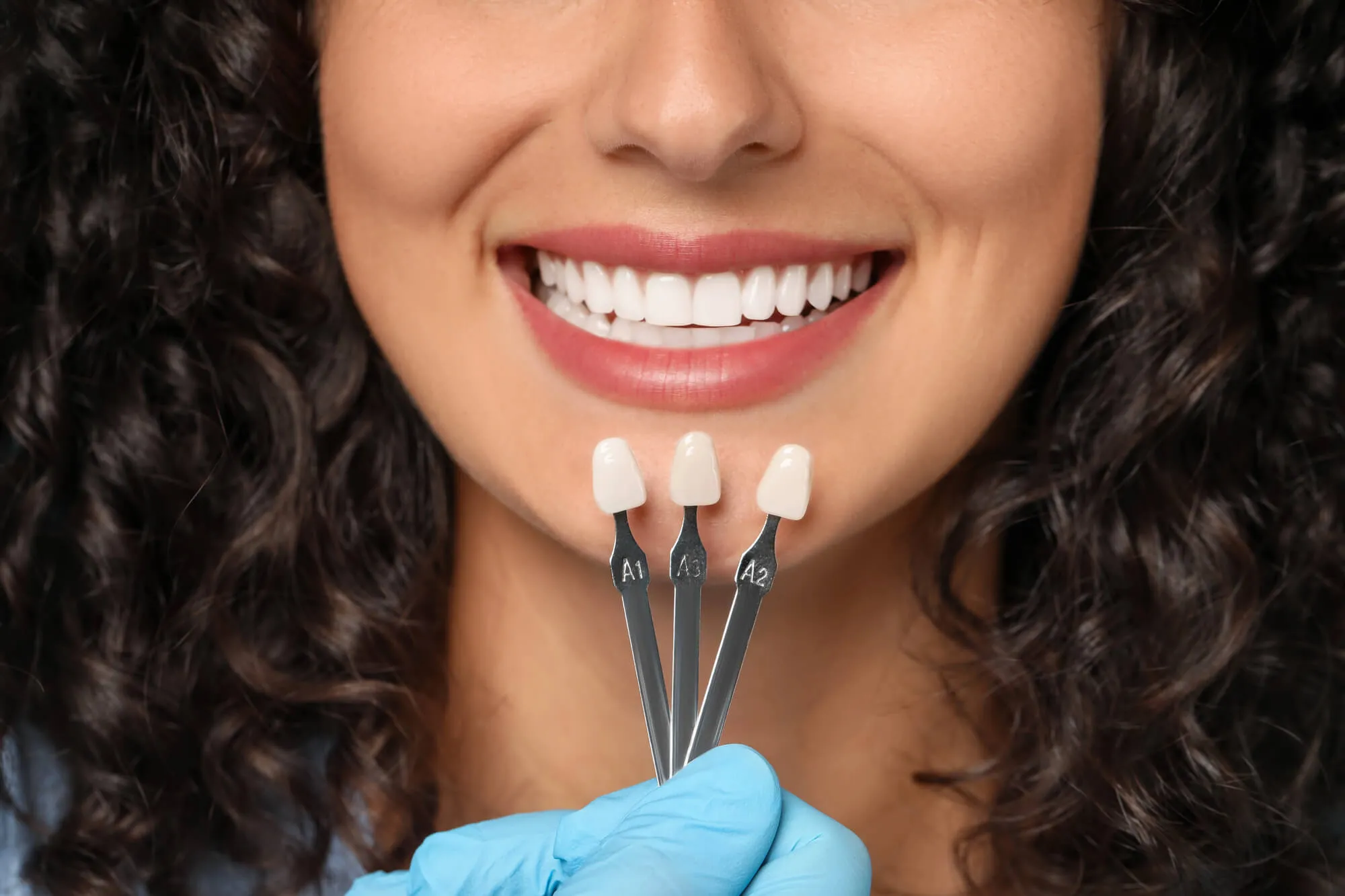
The dentist reshapes the tooth slightly so the crown fits securely. Impressions or digital scans are taken to create a custom crown that matches nearby teeth in color and shape. A temporary crown may be placed to protect the tooth while the final crown is prepared.
Crown Placement
At the next visit, the dentist fits the permanent crown and checks your bite carefully. Small adjustments help create even pressure when chewing. The crown is then bonded securely. The result is a restored tooth that feels stable and natural during everyday use.
Caring for a Tooth with a Crown
Crowns require the same daily care as natural teeth. Good habits help protect the crown and keep the surrounding gums healthy. Simple routines make a big difference in how long your restoration lasts.
- Brush twice a day with a soft-bristled toothbrush and fluoride toothpaste
- Floss gently around the gumline to prevent plaque buildup
- Rinse with water after meals when brushing isn’t possible
- Avoid chewing ice, pens, or hard candies that can damage dental work
- Wear a night guard if you grind your teeth
- Attend regular dental checkups for professional cleaning and evaluation
With consistent care, crowns can last many years while supporting comfortable chewing and clear speech.
When to Contact Your Dentist
It is important to contact your dentist if you notice a loose crown, persistent sensitivity, swelling around the gumline, or changes in your bite. Early evaluation helps address concerns quickly and keeps your restoration working properly.
Regular dental exams also allow your dentist to monitor crowns and surrounding teeth so small problems can be addressed early.

How Dental Crowns in Boynton Beach Support Your Smile
Dental crowns are one part of restorative dentistry, which includes fillings, bridges, dental implants, and other tooth-repair options. These treatments help rebuild strength, restore chewing comfort, and maintain oral health after decay, wear, or injury. A carefully planned approach keeps your smile functioning comfortably and supports long-term stability.
At Aberdeen Dentistry, restoring damaged teeth is approached with care, patience, and attention to detail. Our team takes time to explain your options, answer questions, and design restorations that support comfort and long-term oral health. From fillings to crowns, implants, and other restorative care, treatment is tailored to your needs, so your smile stays strong and comfortable.
If you’re concerned about a weak or damaged tooth, schedule a consultation with Aberdeen Dentistry. Our goal is to provide supportive, personalized care that helps you feel confident about your oral health and comfortable with every step of your treatment.