The Different Types of Tooth Stains and What Causes Them
Tooth discoloration often happens gradually. A smile that once looked brighter may begin to appear yellow, dull, or uneven over time, even with regular brushing. Some stains develop from daily habits, while others form beneath the tooth surface and are harder to change. These differences can make it difficult to know which cosmetic option may help. For patients considering teeth whitening in Boynton Beach, understanding the different types of stains is an important first step toward improving smile appearance safely and effectively.

Understanding Why Teeth Become Discolored
Extrinsic Stains: Surface Staining on Enamel
Extrinsic stains develop on the outer surface of the teeth, also known as enamel. These stains are commonly associated with foods, beverages, and lifestyle habits that leave behind pigment over time.
Common causes include:
- Coffee
- Tea
- Red wine
- Dark sodas
- Tobacco products
- Certain highly pigmented foods
Because these stains affect the surface layer, they often respond well to professional dental cleanings and whitening treatments. Patients interested in teeth whitening seek treatment for this type of discoloration because it can make teeth appear yellow or dull despite regular brushing.
Intrinsic Stains: Discoloration Beneath the Surface
Intrinsic stains develop inside the tooth structure rather than on the enamel surface. These stains are often more difficult to improve because they originate deeper within the tooth.
Possible causes include:
- Tooth trauma or injury
- Certain medications
- Excess fluoride exposure during tooth development
- Internal tooth changes related to aging
Intrinsic stains may appear gray, brown, or darker in color. Some whitening treatments can improve mild internal discoloration, though deeper stains may require cosmetic alternatives such as veneers or bonding, depending on the severity.
Dentists evaluate the type of discoloration carefully before recommending cosmetic treatment.
Age-Related Tooth Discoloration
As teeth age, enamel naturally becomes thinner. This allows the yellowish dentin underneath to become more visible. Years of exposure to staining foods and beverages can also contribute to gradual darkening.
Age-related discoloration often combines both extrinsic and intrinsic staining. Professional whitening may improve many of these changes, though results vary depending on the depth and type of staining present.
Patients considering cosmetic dentistry sometimes combine whitening with other treatments, such as veneers or bonding, to create a more even smile.
Yellow Tooth Stains
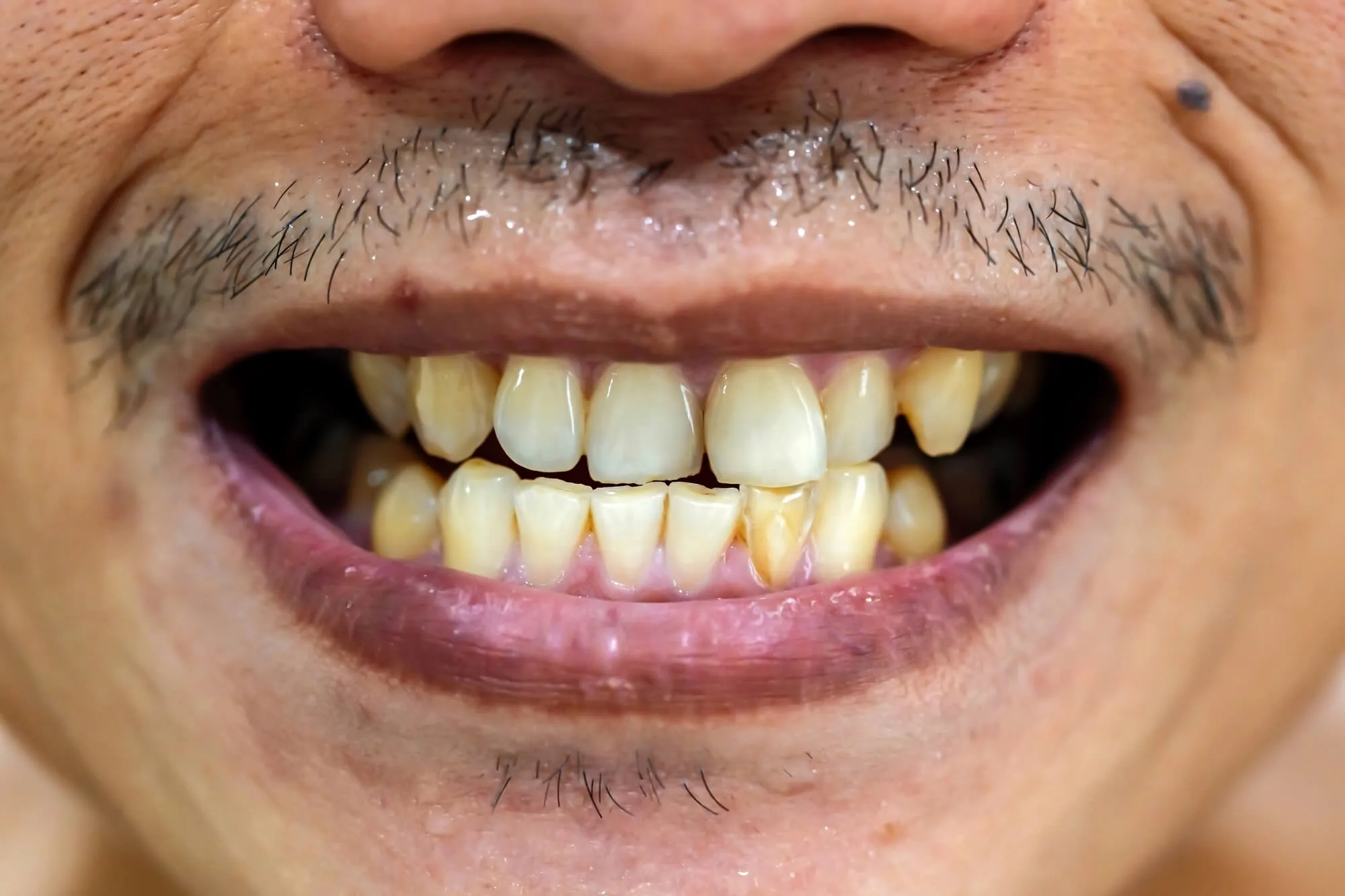
Yellow discoloration is one of the most common concerns discussed during cosmetic consultations. This color change often results from enamel wear, staining from foods or tobacco use, or plaque buildup.
In many cases, yellow stains respond well to professional whitening because they are linked partly to surface discoloration. Regular dental cleanings also help remove plaque and tartar that contribute to a dull appearance.
Dentists examine the teeth to determine whether the discoloration is primarily surface-related or influenced by deeper structural changes.
Brown Tooth Stains
Brown stains may develop from long-term exposure to coffee, tea, smoking, or poor oral hygiene. Some brown discoloration may also result from medications or enamel defects.
Surface-level brown staining can often improve with whitening treatments and professional cleanings. Deeper brown discoloration may require alternative cosmetic approaches if whitening alone does not create the desired improvement.
The location and intensity of the stain help determine which treatment option may work best.
Gray Tooth Stains
Gray discoloration usually indicates changes within the tooth structure. Trauma to a tooth may disrupt internal tissues, causing the tooth to gradually darken over time.
Certain medications may also contribute to gray staining. This type of discoloration tends to respond less predictably to whitening treatment because the stain exists beneath the enamel.
For some patients, cosmetic bonding or veneers may be recommended to improve color consistency across the smile.
White Spots and Uneven Enamel Color
Not all discoloration appears dark. Some patients notice bright white spots or uneven enamel coloration on certain teeth. These changes may result from fluorosis, enamel development issues, or early mineral loss.
Treatment depends on the severity and location of the spots. Whitening may improve overall color balance in some situations, though additional cosmetic procedures may be considered for more noticeable contrast.
Dentists evaluate whether whitening alone can improve appearance or whether another cosmetic option may yield more balanced results.
How Dentists Evaluate Tooth Stains Before Whitening
Identifying the Cause of Discoloration
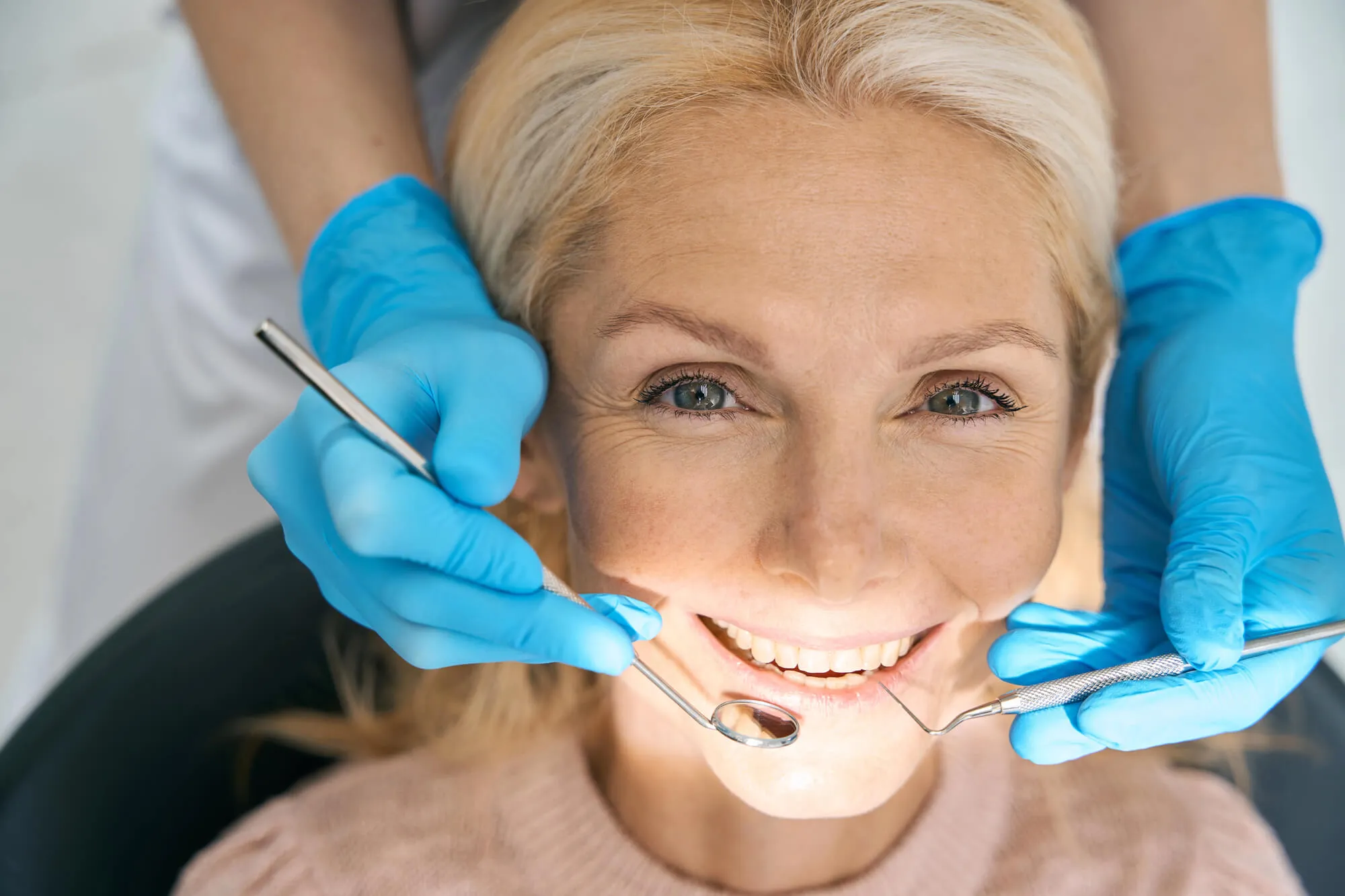
Before recommending cosmetic treatment, dentists carefully evaluate the source of the stain. The type of discoloration influences how well whitening may work and whether another cosmetic treatment may provide better results.
The exam may include:
- Reviewing dental history
- Evaluating enamel condition
- Examining existing restorations
- Assessing gum health
- Determining whether stains are surface-level or internal
This process helps create realistic expectations for whitening treatment.
When Professional Teeth Whitening May Help
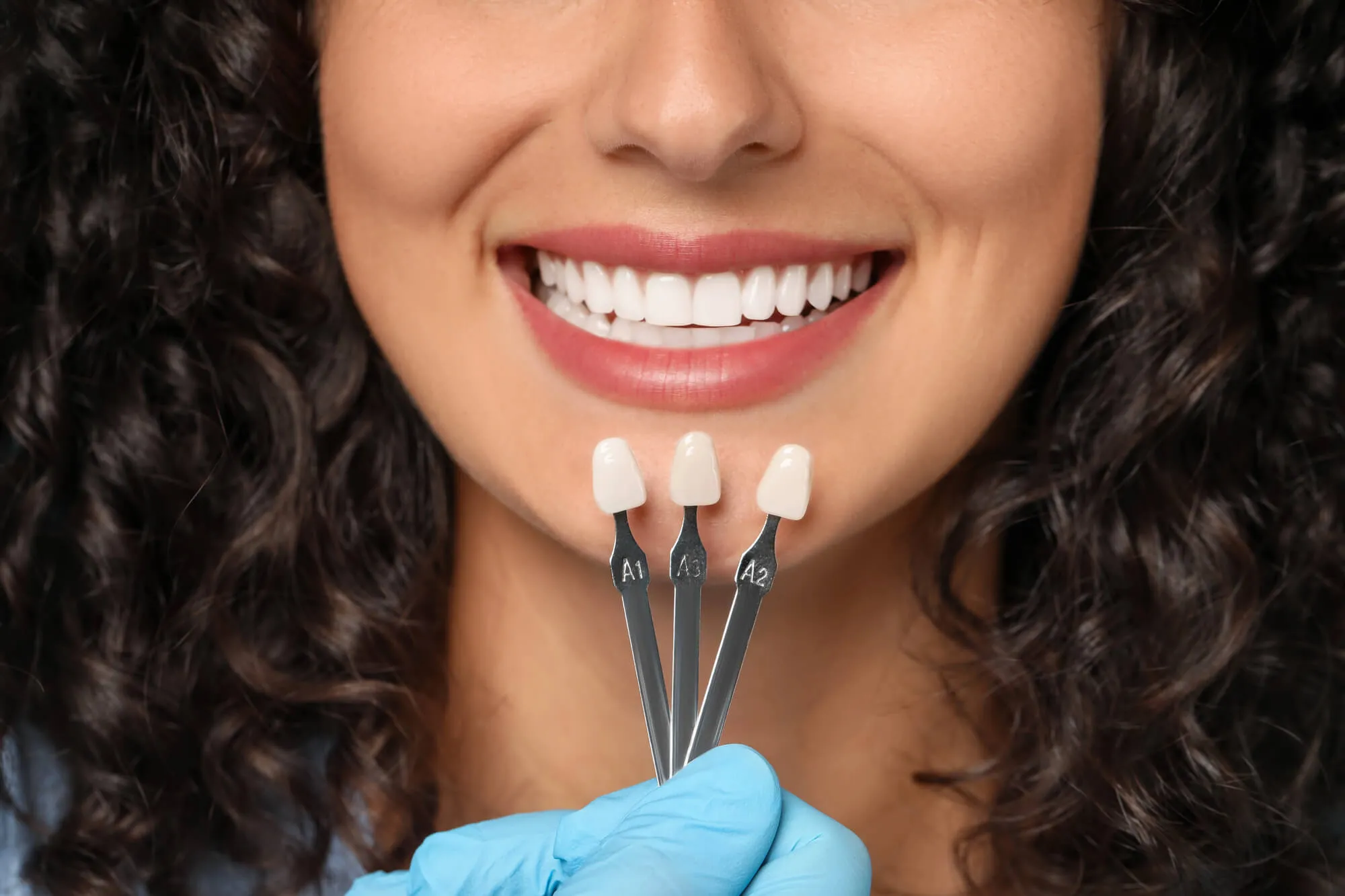
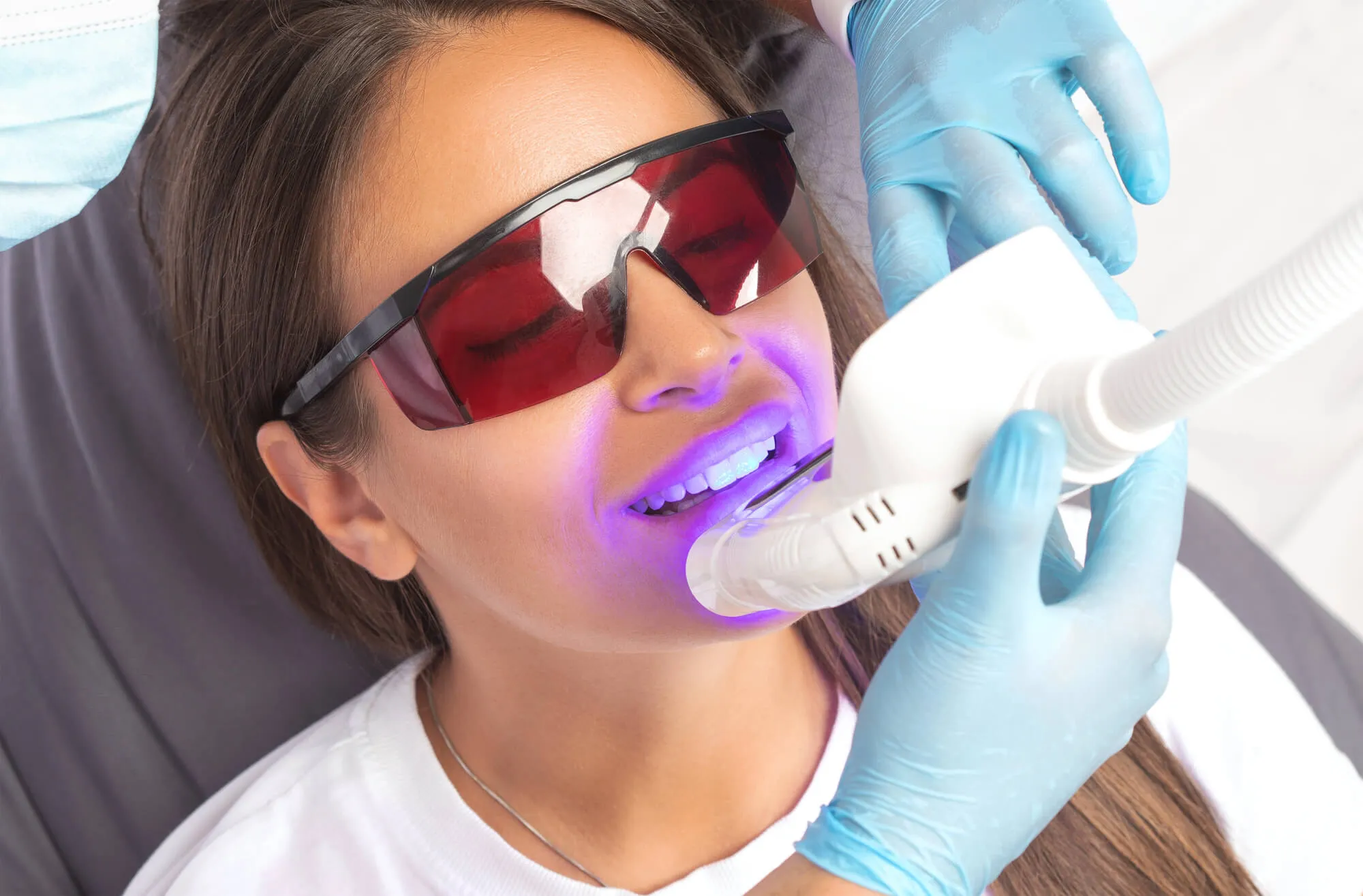
Professional whitening is often effective for many surface-level stains caused by food, beverages, and aging. Whitening treatments use concentrated agents designed to improve brightness safely while protecting enamel.
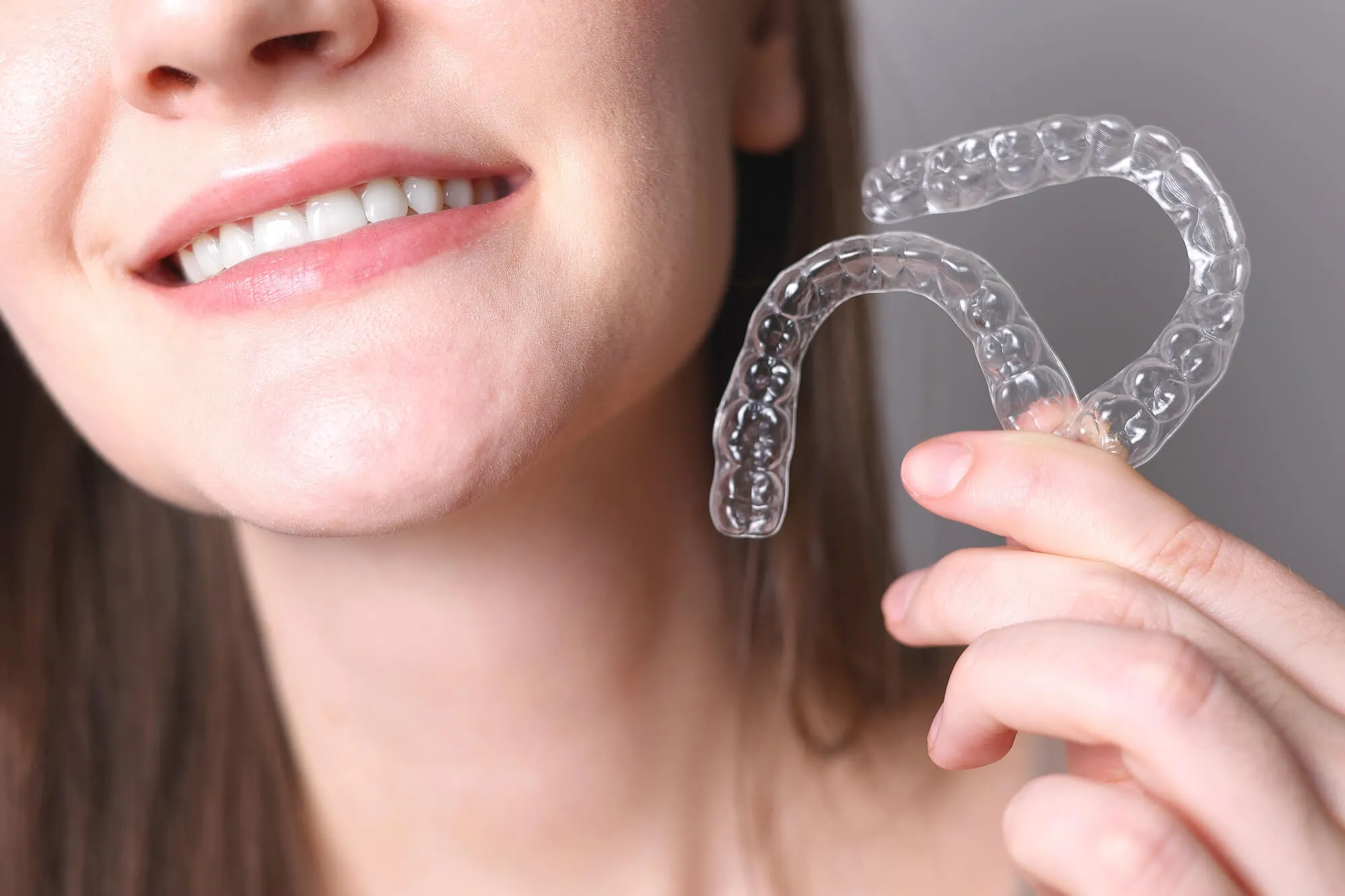
Patients considering teeth whitening in Boynton Beach may receive either in-office whitening or customized take-home trays,, depending on their goals and the type of stain.
Professional whitening differs from over-the-counter products because the treatment is supervised and adjusted based on the condition of the teeth.
When Whitening May Not Be the Best Option
Not all discoloration responds evenly to whitening treatment. Deep intrinsic stains, trauma-related discoloration, or uneven restorations may require another cosmetic approach.
In these situations, dentists may discuss options such as:
- Dental bonding
- Veneers
- Dental crowns
These treatments improve color by covering the visible surface of the tooth rather than changing the internal shade.
The goal is to recommend treatment that supports both appearance and long-term oral health.
Habits That Help Reduce Future Staining
Daily habits influence how quickly stains return after whitening or professional cleaning. Patients can help maintain a brighter smile by:
- Flossing consistently
- Rinsing after coffee, wine, or dark beverages
- Attending routine dental cleanings
- Limiting tobacco use
These habits support oral health while helping cosmetic improvements last longer.

Interested in Teeth Whitening in Boynton Beach?
Tooth discoloration can develop for many different reasons, and not every stain responds the same way to cosmetic treatment. Identifying the type and cause of staining helps dentists recommend care that fits your goals while protecting long-term oral health.
At Aberdeen Dentistry, cosmetic dentistry is approached with careful planning, attention to detail, and respect for your natural smile. Our team evaluates discoloration thoroughly and discusses treatment options that support both comfort and appearance.
If you would like to improve the brightness and balance of your smile, schedule a consultation with Aberdeen Dentistry. Our team is here to provide supportive care designed around your comfort, confidence, and overall dental health.