What Happens During a Professional Dental Cleaning?
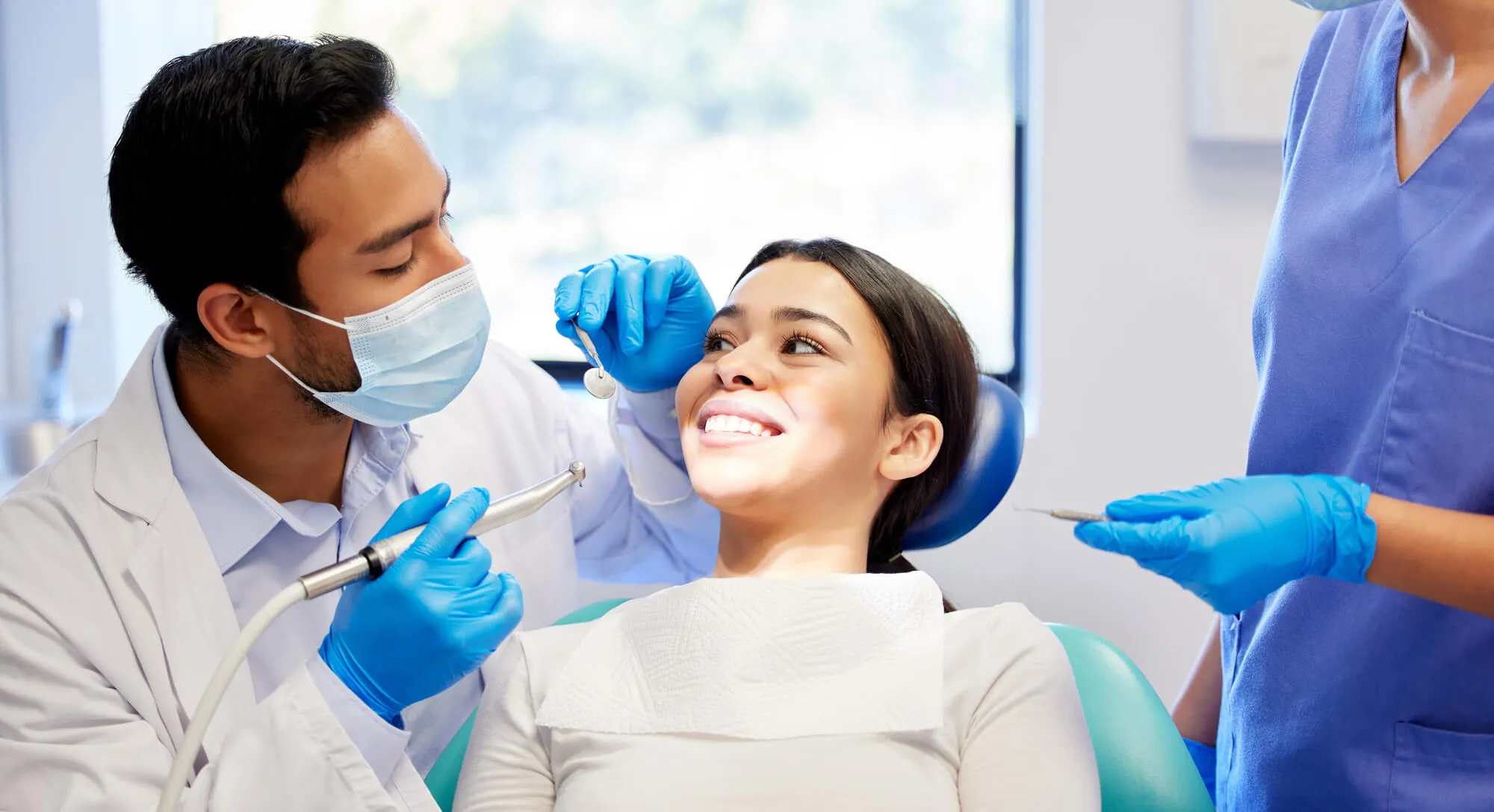
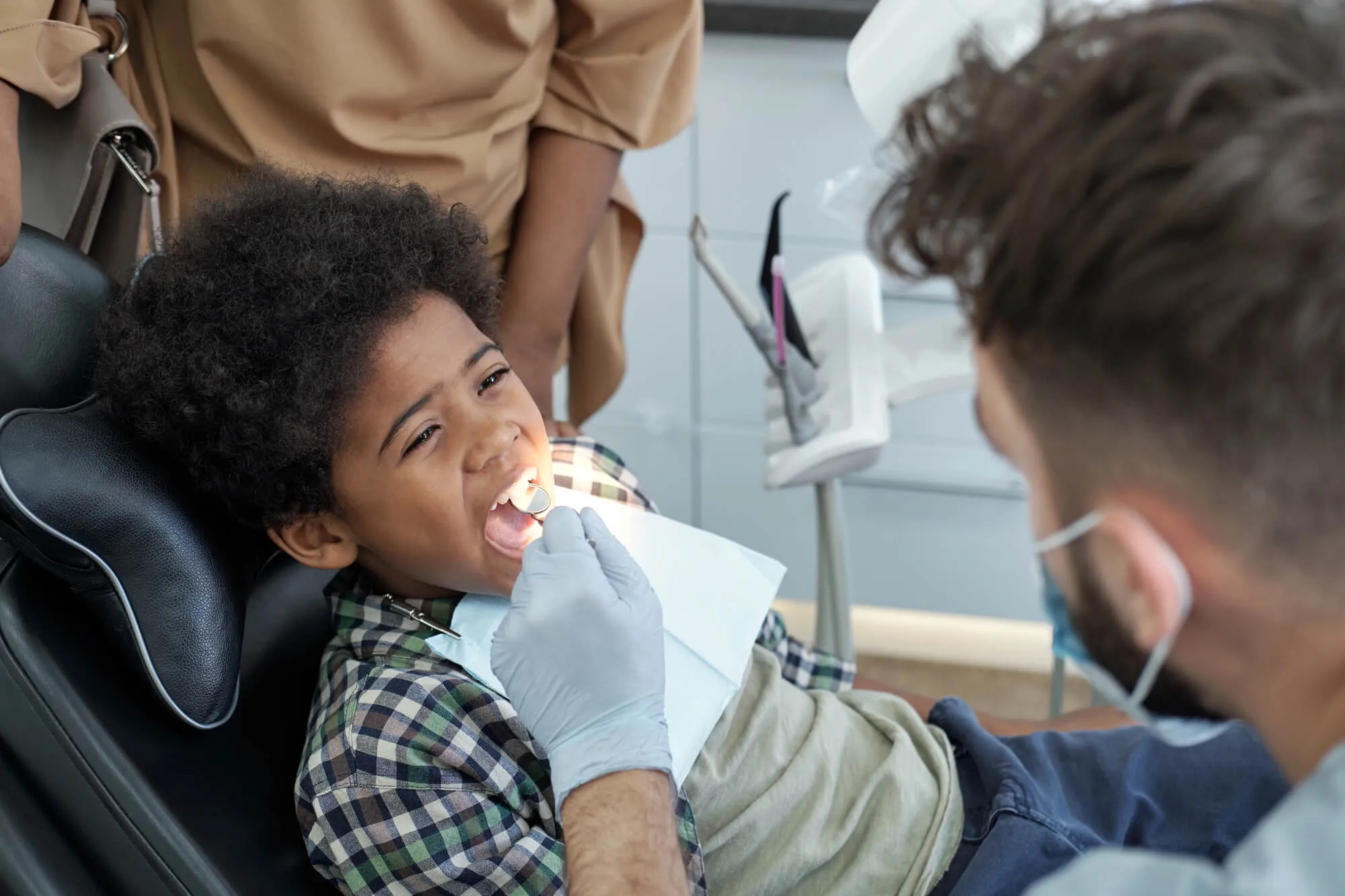
It’s common to sit in the dental chair and wonder what actually happens during a professional cleaning. Will it take long? Will anything hurt? Is it different from brushing and flossing at home? These questions often come up, especially for patients who have not had a cleaning in a while. Professional cleaning is designed to remove buildup that daily brushing cannot reach, helping maintain healthy teeth and gums. If you're considering teeth cleaning in Boynton Beach, knowing what to expect can help you feel more comfortable before your appointment.
What to Expect During a Professional Dental Cleaning
1. Reviewing Your Dental and Medical History
Every cleaning appointment begins with a review of your health history. Changes in medications, medical conditions, or dental concerns can influence how your dentist approaches care. This conversation also gives patients an opportunity to mention sensitivity, bleeding gums, jaw discomfort, or changes they have noticed since their last visit.
While this step may seem simple, it provides valuable information about your oral health and helps the dental team tailor the appointment to your needs. Open communication allows concerns to be addressed before treatment begins and creates a more comfortable experience overall.
2. Examining the Teeth and Gums
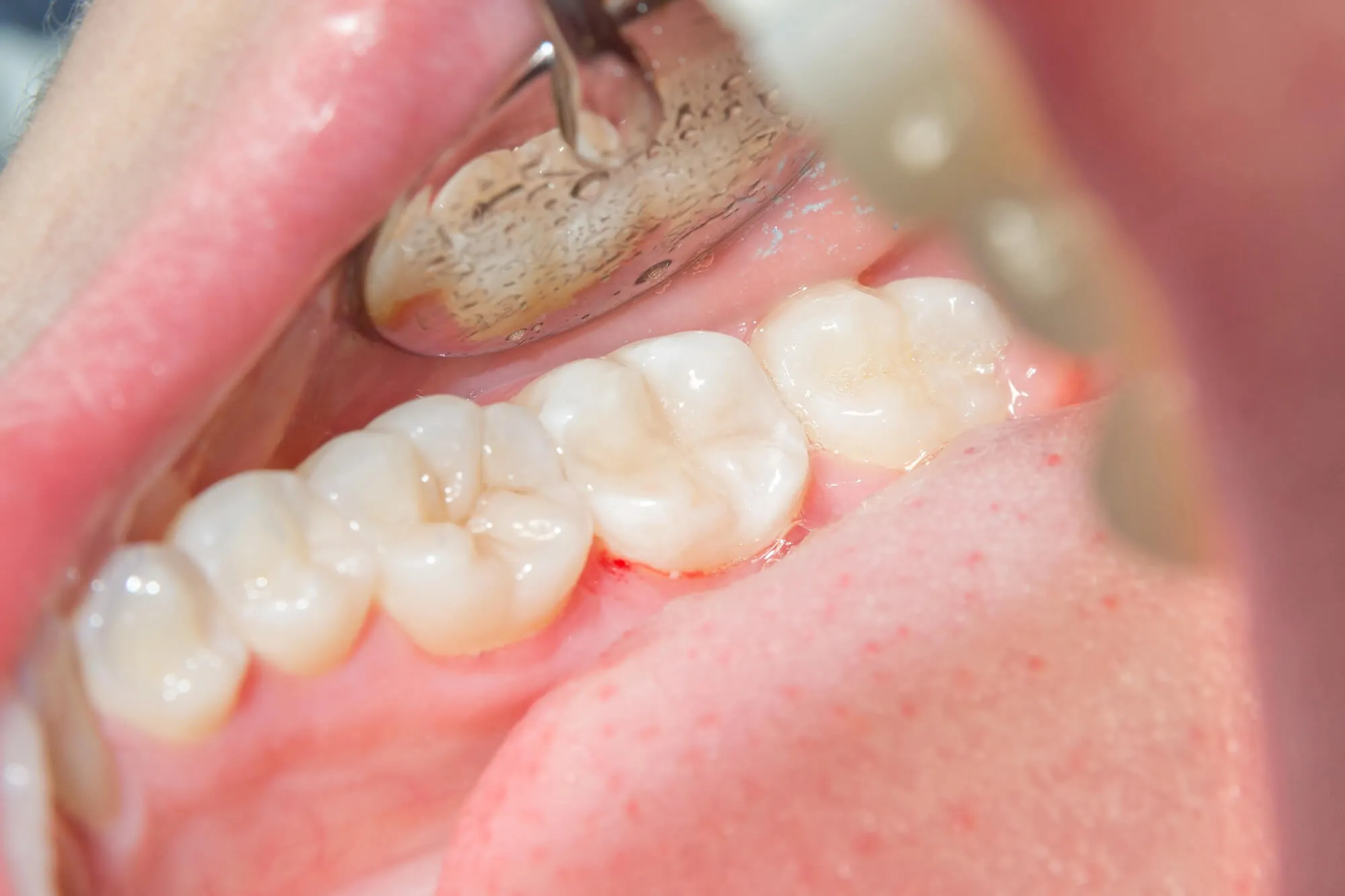
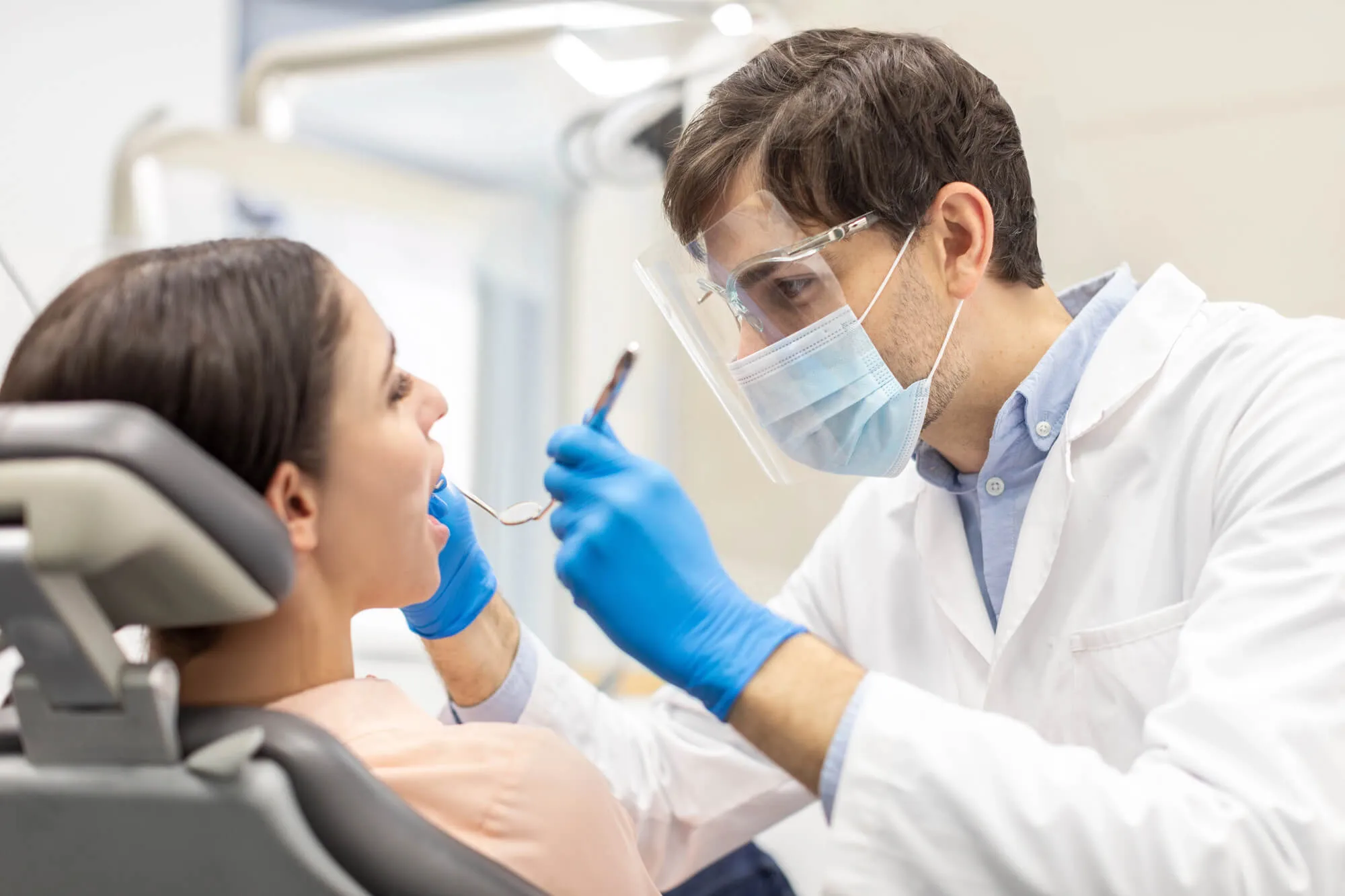
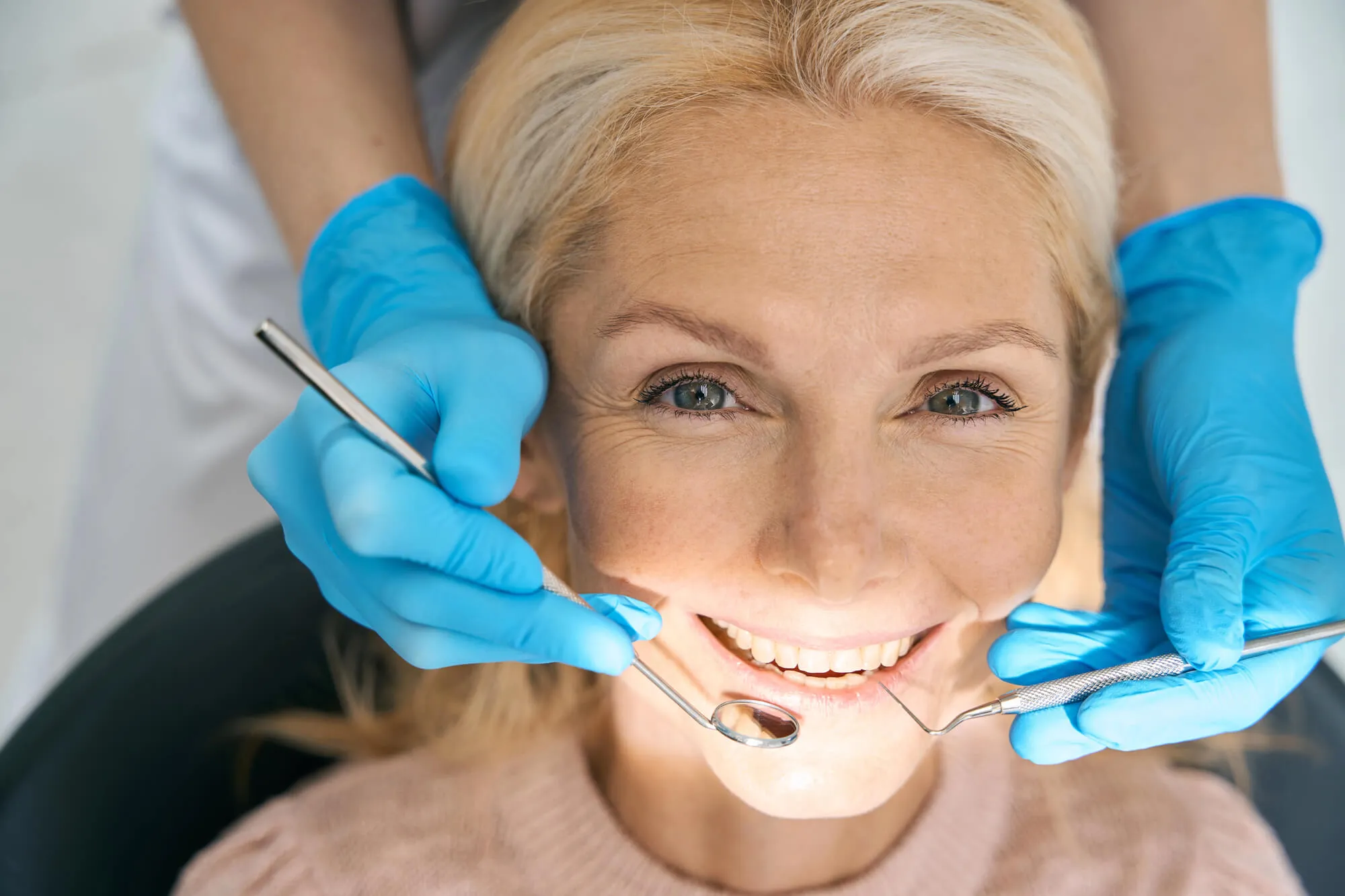
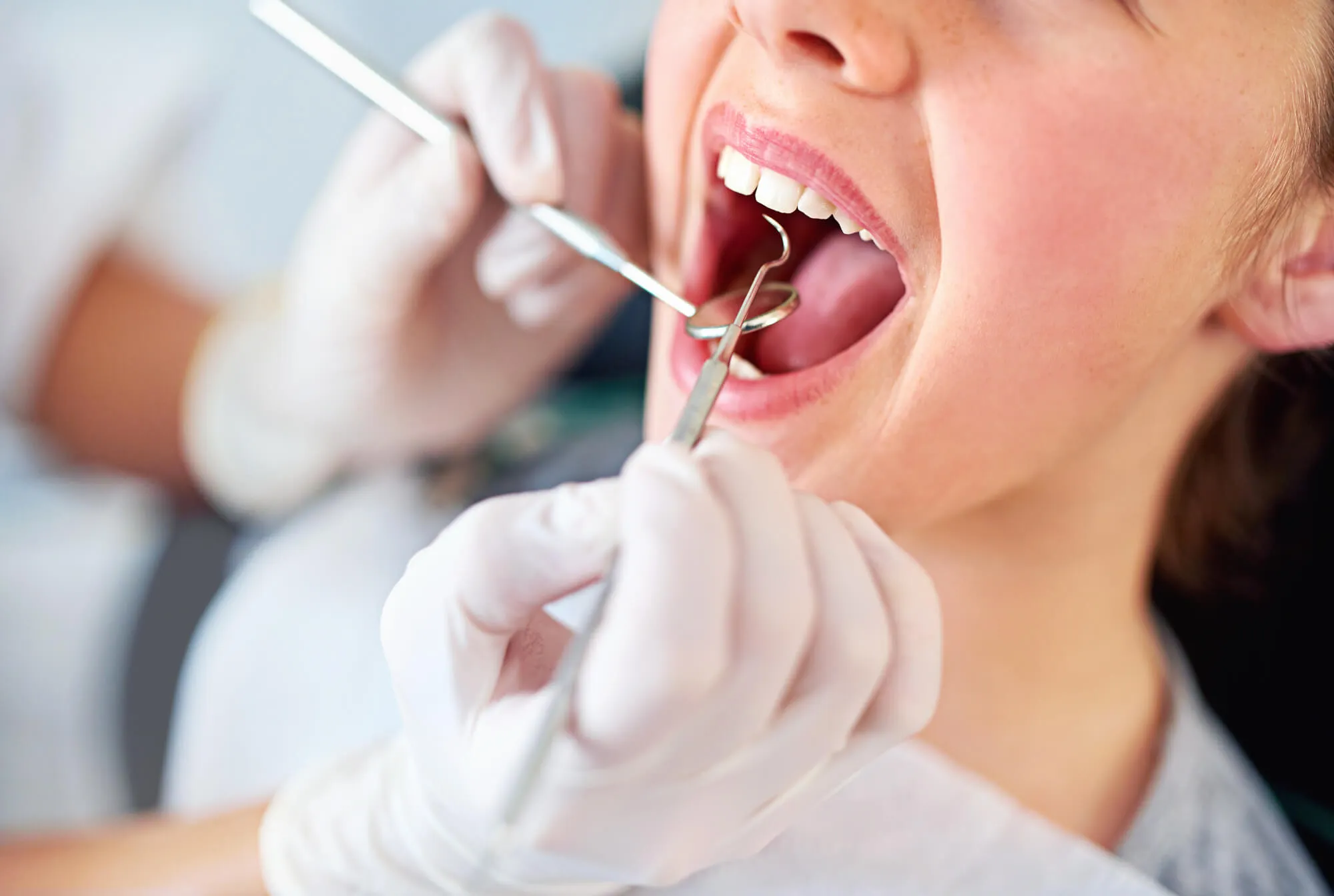
Before cleaning starts, a dental professional performs a visual examination of the teeth and gums. This helps identify signs of plaque buildup, tartar accumulation, gum inflammation, worn restorations, or other concerns that may require attention. The examination also allows the team to monitor changes since your previous visit. Early signs of cavities, gum disease, or enamel wear can often be detected during this stage. This assessment helps identify areas that need extra attention during the cleaning process and supports preventive dental care.
3. Checking for Plaque and Tartar Buildup
Plaque is a sticky film of bacteria that forms on teeth every day. If it is not removed consistently, it can harden into tartar. Unlike plaque, tartar cannot be removed with brushing alone. During the appointment, the dental professional evaluates where plaque and tartar have accumulated, particularly around the gumline and between teeth. These areas are often difficult to clean thoroughly at home. Identifying buildup helps guide the cleaning process and allows the team to focus on areas that may be contributing to inflammation or future dental concerns.
4. Removing Tartar From the Teeth
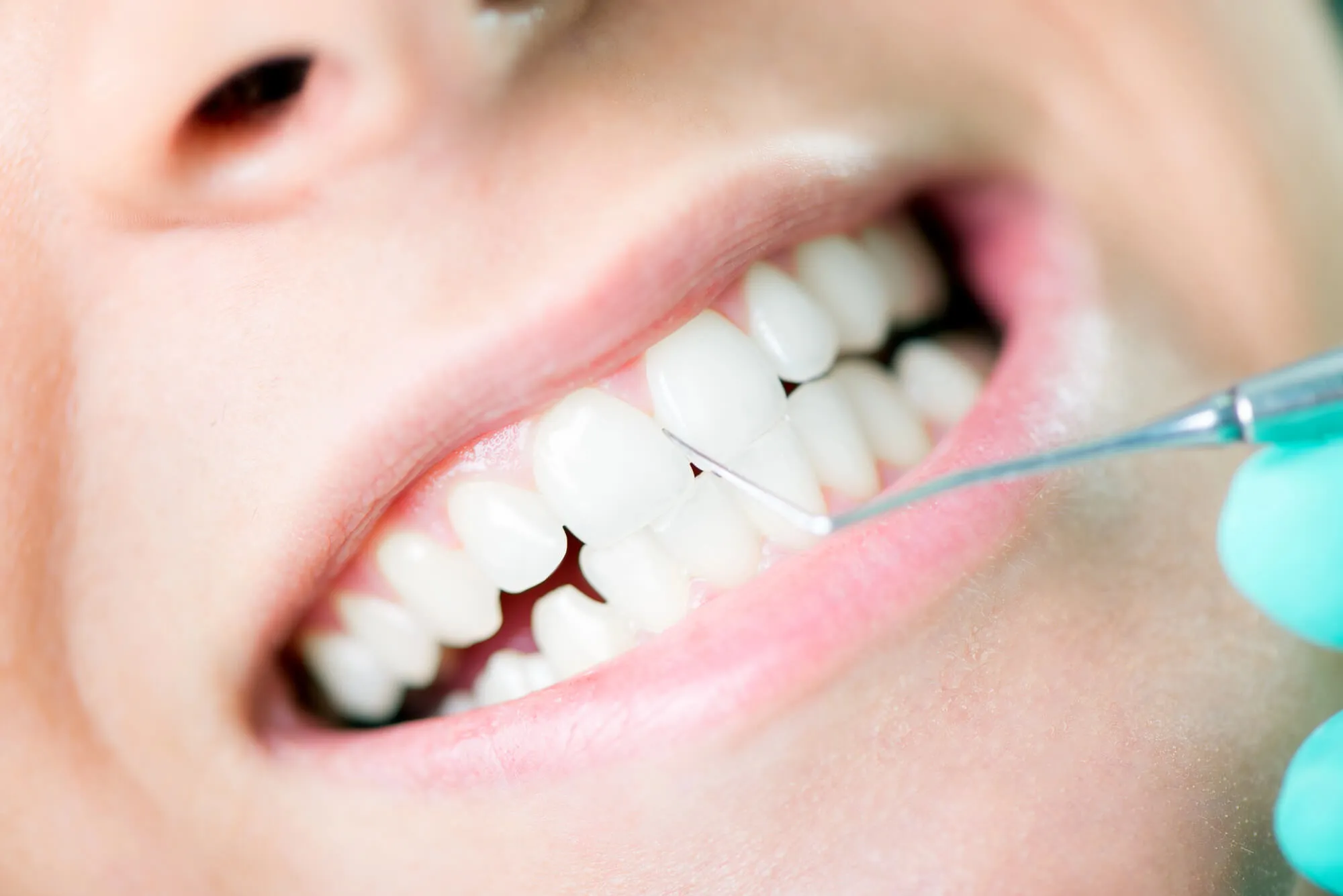
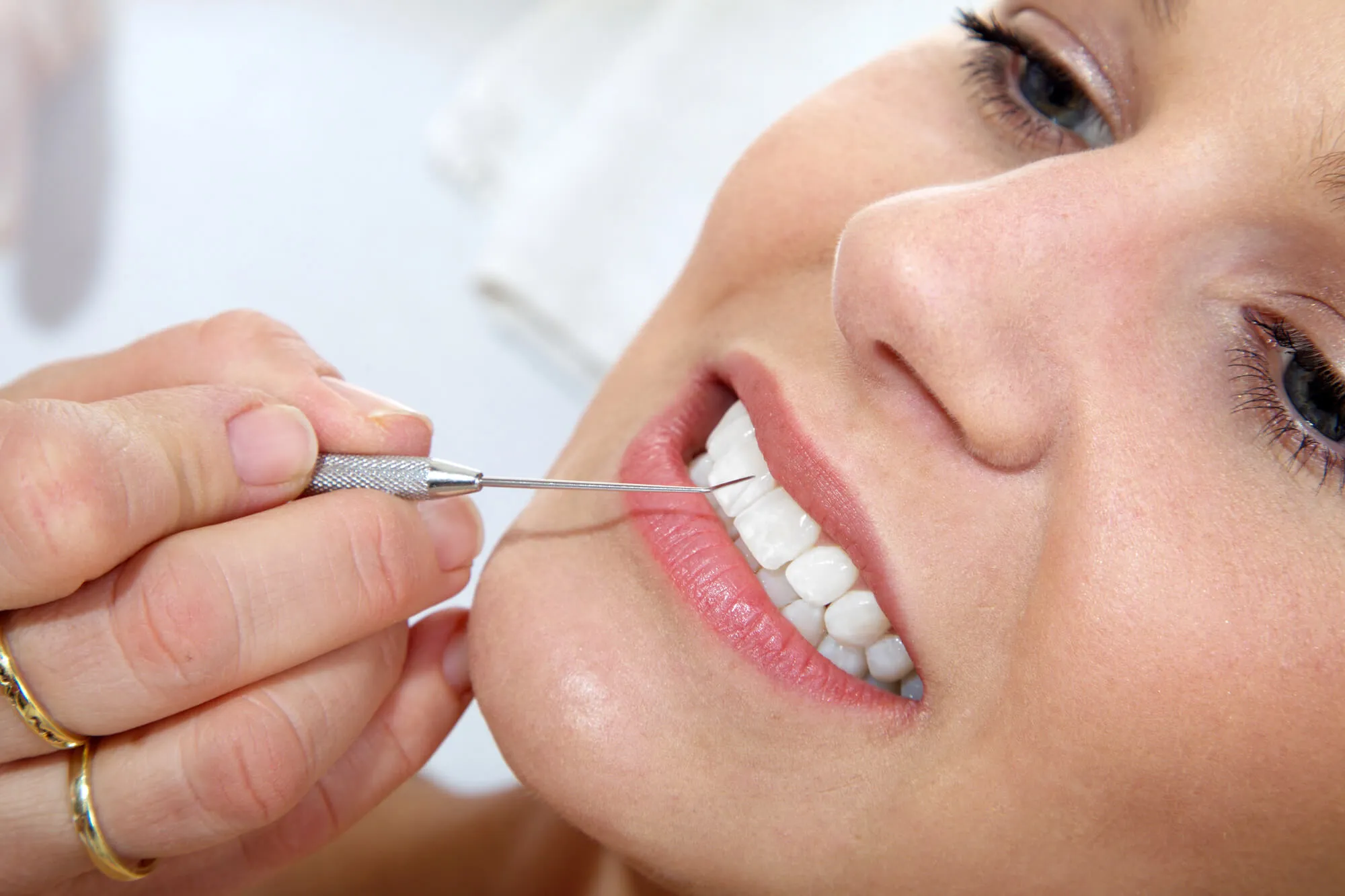
One of the primary goals of professional cleaning is removing tartar deposits. Special dental instruments are used to carefully lift hardened buildup from the tooth surface and around the gums. Patients often notice scraping sounds during this stage, which is completely normal. The amount of tartar removed varies depending on oral hygiene habits and the time since the last cleaning. Removing tartar helps reduce bacterial accumulation and creates a cleaner surface that is easier to maintain with daily brushing and flossing.
5. Cleaning Hard-to-Reach Areas
Even patients with excellent oral hygiene can miss certain areas. Teeth have grooves, curves, and tight spaces where plaque can accumulate. Professional cleanings focus on these difficult-to-reach locations. Dental instruments are designed to access areas that toothbrush bristles and floss may not fully reach. This attention to detail helps remove buildup before it contributes to cavities or gum irritation. Patients are often surprised to learn how much cleaner their teeth feel after these areas receive professional attention.
6. Polishing the Teeth
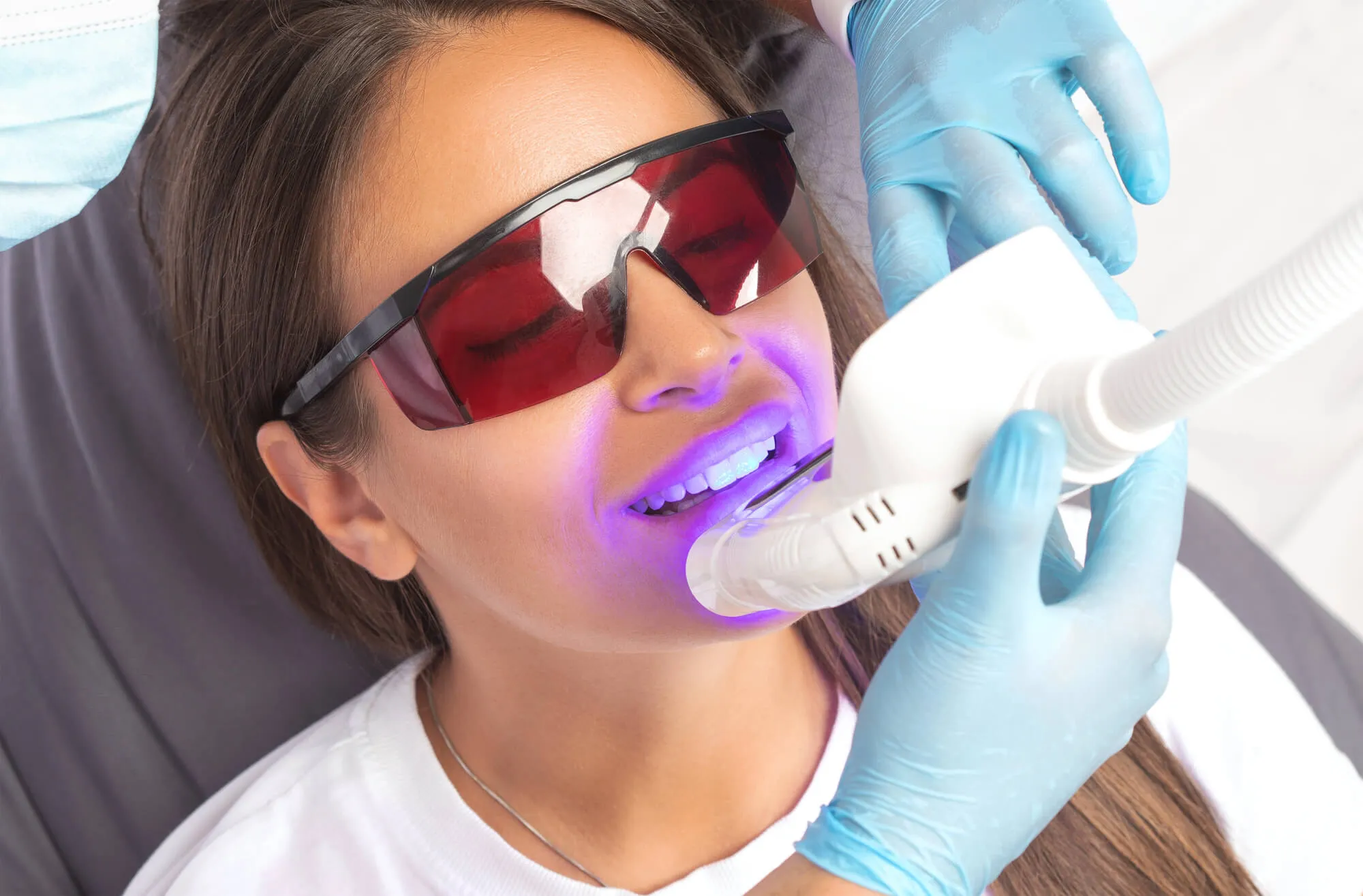
After plaque and tartar removal, the teeth are polished using a professional-grade polishing paste. This step helps smooth the tooth surface and remove minor surface stains caused by coffee, tea, wine, and other foods. Polishing leaves teeth feeling smoother and cleaner.
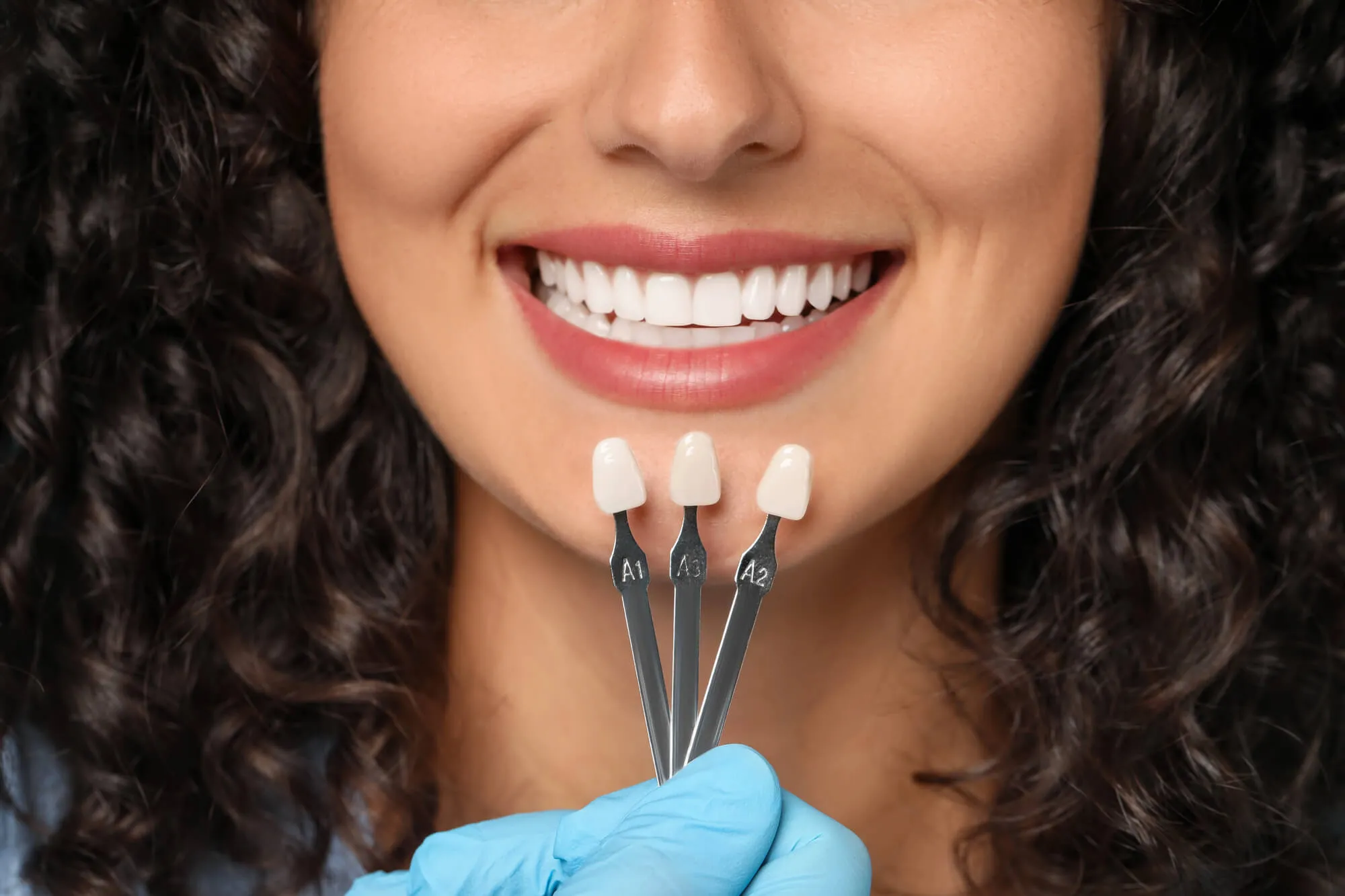
While polishing is not the same as professional whitening, many patients notice that their smile appears brighter afterward. A smoother surface may also make it harder for plaque to adhere to the teeth between appointments. This step adds both cosmetic and preventive benefits to the cleaning process.
7. Flossing Between Teeth
Professional flossing is often included in dental cleaning. This allows the dental professional to remove any remaining debris and confirm that spaces between teeth are clean. Flossing also helps identify areas where gums may be sensitive or prone to bleeding.
Patients sometimes receive personalized guidance during this step if certain areas require additional attention at home. Although flossing may seem routine, it serves an important role in completing the cleaning and evaluating gum health.
8. Evaluating Gum Health
Healthy gums are an important part of overall oral health. During the appointment, the dental team evaluates the condition of the gums and looks for signs of inflammation, recession, or periodontal disease. Bleeding, swelling, and pockets around the teeth may indicate the need for additional care.
Early detection allows concerns to be addressed before they become more advanced. This evaluation often provides valuable insight into how well current oral hygiene habits are supporting gum health between visits.
9. Discussing Findings and Recommendations
Once the cleaning is complete, the dentist reviews any findings from the examination and cleaning process. This may include areas where plaque tend to accumulate, signs of enamel wear, or recommendations for improving home care routines. If additional treatment is needed, such as fillings, periodontal therapy, teeth whitening, dental bonding, veneers, crowns, or other restorative care, those options may be discussed. This conversation helps patients better understand their oral health and the steps that may support long-term maintenance.
10. Creating a Plan for Ongoing Preventive Care
Professional cleaning is part of a larger preventive care strategy. Before leaving, patients typically discuss future cleaning intervals and routine examinations. While many people benefit from cleanings every six months, some patients may need more frequent visits depending on their oral health needs.
Establishing a preventive care schedule helps monitor changes, remove buildup regularly, and identify concerns early. Consistent care often contributes to healthier teeth and gums over time while reducing the likelihood of more complex dental issues.
Why Professional Cleanings Remain Important
Brushing and flossing at home are essential, but they cannot remove hardened tartar once it forms. Professional cleanings provide access to specialized instruments and techniques that help maintain oral health beyond what daily home care can achieve. These appointments also create opportunities to identify concerns early and discuss cosmetic or restorative options when needed.
Patients who stay current with preventive care often find it easier to maintain healthy teeth and gums over the long term. Professional cleanings support not only oral health but also the appearance and comfort of the smile.

Ready to Schedule Teeth Cleaning in Boynton Beach?
Professional cleanings help remove plaque and tartar while giving your dental team an opportunity to monitor your oral health and identify concerns early. Understanding what happens during cleaning can make appointments feel more comfortable and predictable.
At Aberdeen Dentistry, we believe preventive care should be personalized and informative. If you're due for a teeth cleaning in Boynton Beach, schedule an appointment with our team. We are committed to helping you maintain a healthy smile through attentive, patient-focused care.